Ever felt that sharp, throbbing pain in your foot after a misstep or a heavy object falling on it? Chances are, you’ve experienced a stone bruise, a common but often overlooked injury.
Stone bruises can be incredibly painful and debilitating. They can make walking, running, or even standing uncomfortable, significantly impacting your daily activities. And the worst part? They can take weeks to heal.
But don’t worry; there’s hope. Below, we’ll dive deep into what stone bruises are, how to identify them, and most importantly, what you can do to treat them effectively and get back on your feet quickly.
» Find relief for stone bruises with our custom-made insoles
What Causes a Stone Bruise on Your Heel?
Stone bruises result from impact on the foot’s ball or heel pad. They typically occur after stepping on a stone or running on uneven ground. The condition arises when bones near the foot’s end press together, affecting nearby nerves. This pressure causes pain and inflammation.
Due to constant foot use, stone bruises can be extremely painful. Pain may develop instantly or take up to 48 hours to appear. Besides stones and rough terrain, any activity involving repetitive foot impacts (like running or jumping) can cause these bruises. In fact, heel pain after running is fairly common.
Several factors increase the risk of stone bruises:
Because we spend so much time on our feet, a stone bruise can be extremely painful. The pain can develop instantly, or it can take up to 48 hours before the first pain symptoms develop in some cases.
» Learn all about burning heels
Self-Diagnosing Stone Bruises
Stone bruising often causes foot pain ranging from mild to severe, typically centering around the ball of the foot or footpad. You may experience:
- Tingling sensations
- Shooting pain
- Sharp pain
- Burning sensations
This pain can develop slowly or suddenly. Be careful when self-diagnosing, as other foot conditions share similar symptoms. These include:
If you think you have a stone bruise, but it doesn’t improve with rest and care, consider seeing a podiatrist or doctor. This is especially important if you notice signs of inflammation, such as redness, soreness, or swelling.
» Check out the difference between heel spurs and plantar fasciitis
How to Treat Stone Bruises on Your Heels
Applying ice for 10-15 minutes at a time can relieve pain and reduce swelling. Over-the-counter pain relievers or anti-inflammatory drugs like ibuprofen may also help manage pain and inflammation. While healing, avoid walking barefoot and consider losing weight if necessary to reduce pressure.
Stone bruises often heal on their own, but recovery can be slow sometimes. To speed up healing, try several methods. Orthotics, such as running inserts, can provide extra arch support and reduce pain.
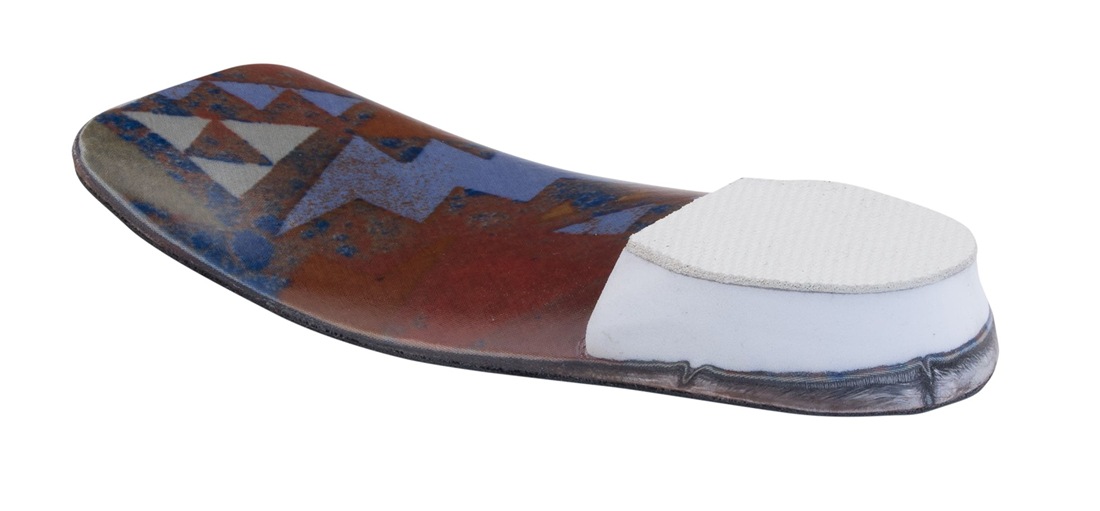
Upstep’s On My Feet All Day insoles provide relief from stone bruise pain. They offer arch support to distribute your weight evenly, reducing stress on your metatarsal bones. Plus, their extra cushioning absorbs shock, relieving pressure on your sore heels.
We make our insoles custom, which means they cater specifically to your foot shape. This personalized fit ensures optimal comfort and support, which is essential in managing and preventing further injury related to stone bruises.
Don’t Let Stone Bruises Slow You Down
A stone bruise can be painful, but with the right care, you can heal quickly. Early diagnosis and treatment are important.
Home remedies can often help relieve pain and speed up healing. But, if symptoms persist, see a doctor. They will examine you and may order tests to rule out other conditions and recommend the best treatment.